Top 10 Essential Construction Tools for Every Builder
In the ever-evolving world of construction, having the right tools is paramount to success. As builders face increasing demands for efficiency and quality, the tools they choose can significantly impact their productivity and project outcomes. This article delves into the top ten essential construction tools that every builder should consider for their toolkit, ensuring they are well-equipped to tackle any job.
1. Power Drill
A power drill is an indispensable tool for any builder, providing versatility and efficiency in various tasks. Whether it’s drilling holes or driving screws, a quality power drill can save time and effort on the job site. Recent market statistics indicate that the power tool market is projected to reach $36 billion by 2025, highlighting the growing reliance on such tools in construction.
When selecting a power drill, builders should consider factors such as battery life, torque settings, and weight. A lightweight drill with a long-lasting battery can enhance mobility and reduce fatigue during extended use. Additionally, features like variable speed settings can provide greater control for different materials, making it a must-have for any builder.
2. Circular Saw
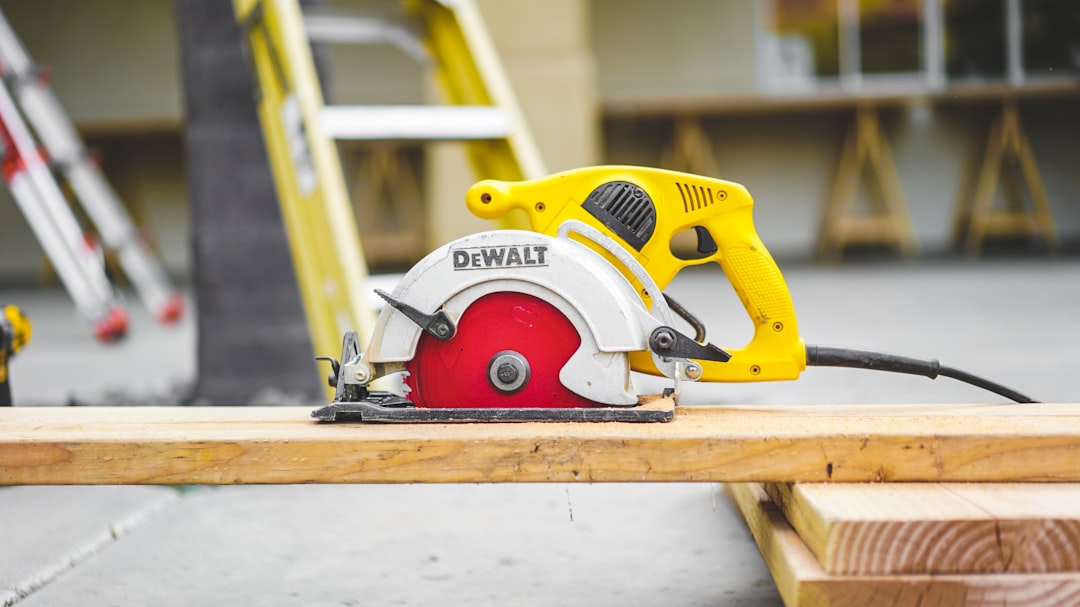
The circular saw is another essential tool that every builder should have in their arsenal. Known for its ability to make quick and precise cuts, this tool is ideal for cutting wood, metal, and other materials. According to industry reports, circular saws account for a significant portion of power tool sales, reflecting their importance in construction projects.
Builders should look for a circular saw that offers adjustable cutting depths and bevel angles to accommodate various cutting needs. Safety features, such as blade guards and electric brakes, are also crucial to prevent accidents on the job site. With the right circular saw, builders can achieve clean cuts that enhance the overall quality of their work.
3. Level
A level is a fundamental tool that ensures accuracy in construction projects. Whether hanging cabinets or framing walls, a level helps builders achieve straight and even results. The market for levels has seen a steady increase, with builders recognizing the importance of precision in their work.
When choosing a level, builders should consider the type—such as bubble levels or digital levels—based on their specific needs. Digital levels often provide more precise measurements and can be easier to read, especially in low-light conditions. Investing in a high-quality level can lead to better project outcomes and reduce the need for costly corrections later on.
4. Tape Measure
No construction toolkit is complete without a reliable tape measure. This simple yet essential tool allows builders to take accurate measurements, ensuring that materials fit correctly and projects are completed to specifications. The tape measure market has experienced growth, with builders increasingly valuing tools that enhance measurement accuracy.
Builders should opt for a tape measure that features both metric and imperial measurements for versatility. A sturdy casing and a locking mechanism can also enhance usability, preventing the tape from retracting unexpectedly. A quality tape measure can save time and prevent errors, making it a vital tool for any builder.
5. Safety Gear
Safety gear is an essential consideration for builders, as it protects them from potential hazards on the job site. Items such as hard hats, safety goggles, and gloves are crucial for ensuring worker safety. The construction industry has seen a growing emphasis on safety, with regulations mandating the use of personal protective equipment (PPE).
Investing in high-quality safety gear not only protects workers but also promotes a culture of safety within the team. Builders should regularly assess their safety equipment and replace any worn or damaged items to maintain optimal protection. By prioritizing safety, builders can reduce the risk of accidents and injuries on the job site.
Key Insight
As the construction industry continues to grow, the demand for essential tools like those mentioned above will only increase. Builders who invest in high-quality tools and prioritize safety will likely see improved efficiency and project outcomes. The right tools not only enhance productivity but also contribute to a safer and more effective work environment.
In conclusion, having the right construction tools is vital for any builder looking to succeed in today’s competitive market. By equipping themselves with essential tools such as power drills, circular saws, levels, tape measures, and safety gear, builders can ensure they are prepared for any project. As the industry evolves, staying informed about the latest tools and technologies will be key to maintaining a competitive edge.